
Galaxies are among the largest structural units in the universe, each undergoing a unique formation and evolutionary process. Here's a comprehensive overview of galaxy formation, types, and their fundamental building blocks:
Galaxy Formation
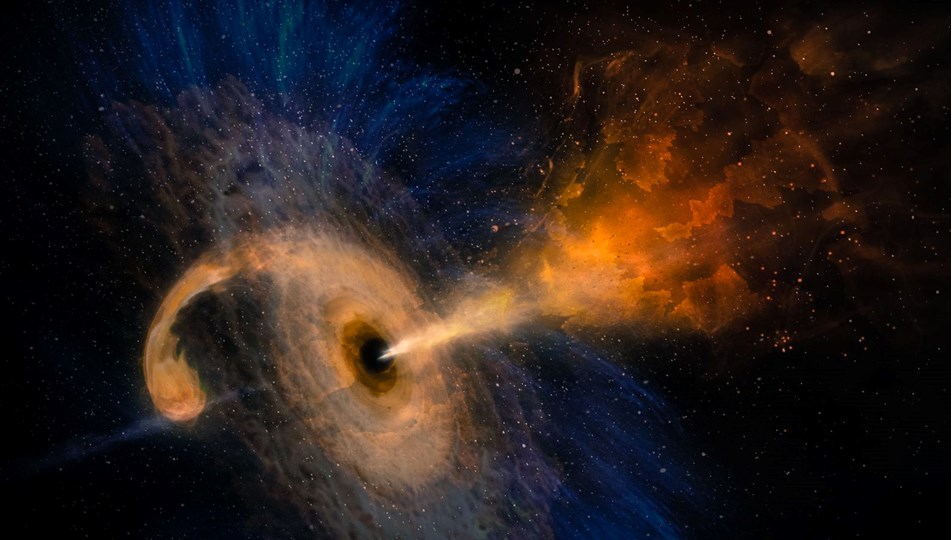
Galaxies form from the collapse of vast cosmic clouds under the influence of gravity. This process began roughly 13.8 billion years ago, following the Big Bang. The formation of galaxies generally involves the following steps:
1. Gas Collapse: In the early universe, cooling and condensing gas clouds began to collapse under their own gravity, leading to the formation of the first stars and galaxy clusters.
2. Star and Star Cluster Formation: These initial stars formed the core regions and star clusters of the galaxies.
3. Galaxy Mergers and Collisions: Over time, galaxies merged and collided with each other, shaping their structure and growth.
Types of Galaxies
Galaxies come in various shapes and sizes, and they are typically classified into several major types:
1. Spiral Galaxies: Characterized by their flat, rotating disks containing stars, gas, and dust, as well as a central bulge of older stars. The Milky Way is an example of a spiral galaxy. They often have prominent spiral arms and a well-defined core.
2. Elliptical Galaxies: These galaxies have a more rounded, elliptical shape and lack the distinct arms of spiral galaxies. They are generally composed of older stars and have little interstellar gas and dust. They range from nearly spherical (E0) to elongated (E7) shapes.
3. Irregular Galaxies: Irregular galaxies do not fit into the standard spiral or elliptical classifications. They have a more chaotic structure and are often rich in gas and dust, which leads to vigorous star formation. Examples include the Large Magellanic Cloud and the Small Magellanic Cloud.
4. Lenticular Galaxies: These galaxies are an intermediate type between spiral and elliptical galaxies. They have a central bulge and a disk but lack significant spiral arms. They often contain older stars and have less gas and dust compared to spiral galaxies.
Building Blocks of Galaxies
Galaxies are composed of several fundamental components:
1. Stars: The primary building blocks of galaxies, stars are formed from the gas and dust in the galaxy's disk and bulge. They come in various sizes and stages of evolution.
2. Interstellar Gas and Dust: This material is crucial for star formation and galactic evolution. It is distributed throughout the galaxy and is concentrated in regions where new stars are born.
3. Dark Matter: A mysterious form of matter that does not emit light or energy but exerts gravitational influence on visible matter. Dark matter is thought to make up a significant portion of a galaxy's mass and plays a key role in its formation and structure.
4. Globular Clusters: These are dense collections of old stars that orbit the galactic core. They are remnants from the early stages of galaxy formation.
5. Supermassive Black Holes: Found at the centers of most large galaxies, these black holes have masses millions to billions of times that of the Sun and influence the dynamics and evolution of their host galaxies.
Understanding these components and their interactions helps astronomers decipher the complex processes behind galaxy formation and evolution, offering insights into the broader structure of the universe.
Hiç yorum yok: