
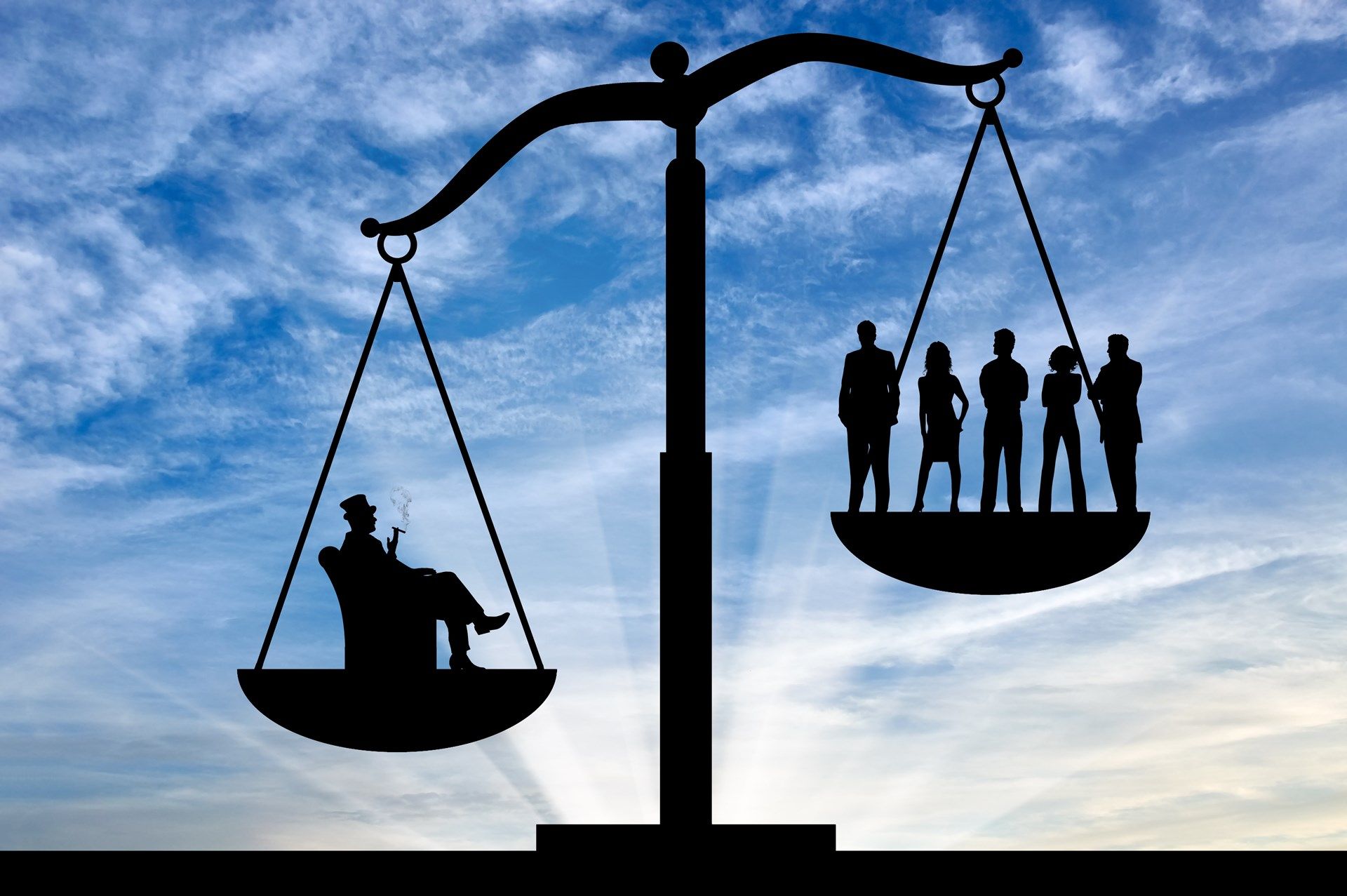
Understanding Economic Inequality
Economic inequality refers to the unequal distribution of wealth, income, and opportunities among individuals and groups within a society. It can be measured in various ways, including income inequality (the disparity in earnings among different socioeconomic groups) and wealth inequality (the differences in asset ownership). The Gini coefficient is a commonly used statistical measure that ranges from 0 (perfect equality) to 1 (perfect inequality), providing a snapshot of economic disparities within a population.
Factors Contributing to Economic Inequality
Several interrelated factors contribute to the growing economic divide:
Globalization: While globalization has led to increased economic growth and opportunities, it has also disproportionately benefited skilled workers and capital owners, leaving low-skilled workers behind.
Technological Advancements: The rapid pace of technological change has created a demand for high-skilled labor while displacing low-skilled jobs, leading to wage stagnation for many.
Education Disparities: Access to quality education remains unequal, perpetuating cycles of poverty and limiting upward mobility for disadvantaged groups.
Tax Policies: Tax structures that favor the wealthy, including lower tax rates on capital gains and inheritances, contribute to wealth accumulation at the top and widen the economic gap.
Labor Market Changes: The decline of labor unions and the rise of gig economies have weakened workers' bargaining power, leading to stagnant wages and job insecurity for many.
Social Consequences of Economic Inequality
The implications of economic inequality extend far beyond individual financial status. They can disrupt social cohesion and threaten democratic values:
Health Disparities: Economic inequality is closely linked to health outcomes. Low-income individuals often face barriers to accessing quality healthcare, leading to poorer health outcomes and increased mortality rates.
Crime and Violence: High levels of inequality can lead to social unrest, increased crime rates, and a sense of disenfranchisement among marginalized groups.
Political Polarization: Economic disparities can contribute to political polarization, as individuals from different socioeconomic backgrounds may have divergent interests and priorities, weakening democratic processes.
Erosion of Trust: Growing inequality can lead to a breakdown of social trust, as individuals perceive that opportunities and resources are not fairly distributed.
Pathways to Greater Social Justice
Addressing economic inequality requires a multifaceted approach that emphasizes social justice and equity. Here are several potential strategies:
Progressive Tax Reform: Implementing a more progressive tax system that increases taxes on the wealthy can help redistribute wealth and fund essential public services, such as education and healthcare.
Improving Access to Education: Investing in quality education and vocational training for all, particularly in underserved communities, can enhance skill development and increase upward mobility.
Strengthening Labor Rights: Supporting labor unions and protecting workers' rights can help ensure fair wages and benefits, promoting economic security for all.
Universal Basic Income (UBI): Some advocate for UBI as a solution to economic inequality, providing individuals with a regular, unconditional cash payment to meet their basic needs, thereby reducing poverty and supporting economic stability.
Promoting Inclusive Economic Growth: Policies that focus on sustainable economic development and job creation, particularly in marginalized communities, can help reduce disparities and promote social equity.
The Role of Social Movements
Social movements advocating for economic justice play a crucial role in raising awareness and driving change. Movements focused on issues such as minimum wage increases, affordable housing, and access to healthcare are essential in challenging systemic inequalities and pushing for policy reforms.
Conclusion
Economic inequality poses significant challenges to social justice and cohesion in modern society. Understanding the factors contributing to this divide is essential for developing effective solutions. By prioritizing equitable policies, investing in education and labor rights, and fostering inclusive economic growth, we can work towards a fairer society that offers opportunities for all. Addressing economic inequality is not just a matter of fairness; it is vital for the well-being and stability of our communities and the world at large.
(This article is for informational purposes only and does not constitute professional advice.)
Hiç yorum yok: