
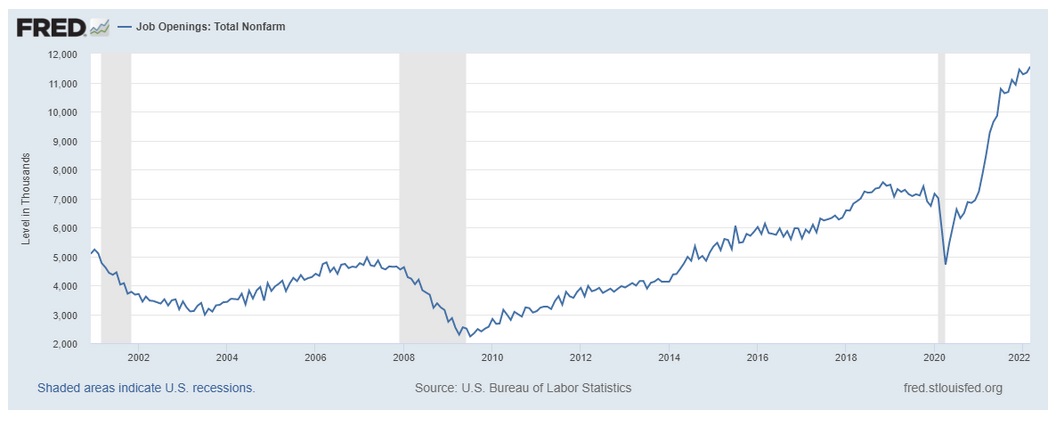
Employment rates are a key indicator of a country’s economic health, reflecting the percentage of the working-age population that is currently employed. High employment rates are often associated with economic prosperity and stability, while low rates can signal economic challenges, stagnation, or even recession. But what are the factors that influence employment rates, and how do these rates impact individuals and societies?
What are Employment Rates?
Employment rates represent the proportion of people within the labor force who are employed, either full-time or part-time. This figure is typically expressed as a percentage and is calculated by dividing the number of employed individuals by the total working-age population, which includes those who are actively seeking work and those who are currently working.
Factors Affecting Employment Rates
Economic Conditions
The overall economic environment plays a critical role in determining employment rates. During periods of economic growth, businesses expand and hire more workers, leading to higher employment rates. Conversely, during economic downturns or recessions, companies may downsize or freeze hiring, causing employment rates to drop.Government Policies and Labor Laws
Policies such as minimum wage regulations, unemployment benefits, and labor protection laws can significantly influence employment rates. For example, policies that encourage job creation or provide incentives for businesses to hire more employees can lead to higher employment.Technological Advancements
The advent of new technologies can impact employment rates in both positive and negative ways. While automation and AI can create new job opportunities in tech sectors, they may also displace workers in traditional industries, causing shifts in employment patterns.Educational Attainment and Skills Mismatch
A highly educated and skilled workforce typically has higher employment rates. However, a mismatch between the skills demanded by employers and those possessed by the workforce can lead to structural unemployment, even in growing economies.Demographic Changes
Changes in the population structure, such as an aging workforce or shifts in migration patterns, can also impact employment rates. For example, a growing proportion of retirees can lower the overall employment rate, even if the number of jobs remains constant.
Implications of Employment Rates
Economic Stability and Growth
High employment rates are generally indicative of a strong economy, where businesses are thriving, and consumer spending is robust. This stability promotes economic growth and attracts investments.Social Well-Being
Employment has a direct impact on social well-being. Higher employment rates contribute to better living standards, lower poverty levels, and reduced social inequality. When more people are employed, there is less strain on government resources such as unemployment benefits and welfare programs.Impact on Mental Health and Quality of Life
Employment is not just about earning a livelihood; it also contributes to a sense of purpose and social identity. High employment rates are linked to improved mental health and quality of life, while high unemployment can lead to increased stress, anxiety, and even social unrest.
Current Trends and Challenges
Global employment trends have been significantly influenced by recent events such as the COVID-19 pandemic, which led to widespread job losses and increased unemployment rates. Many economies are still recovering, and there is a growing focus on creating resilient job markets that can withstand future disruptions.
The transition to remote work, the rise of the gig economy, and ongoing technological advancements are also reshaping employment dynamics. While these changes create new opportunities, they also present challenges in terms of job security, worker rights, and income inequality.
Conclusion
Employment rates are a crucial metric for understanding economic health and societal well-being. By analyzing the factors that influence these rates and addressing the underlying challenges, governments and businesses can work together to create a more inclusive and sustainable job market.
(This article is for informational purposes only and does not constitute professional advice.)
Hiç yorum yok: