
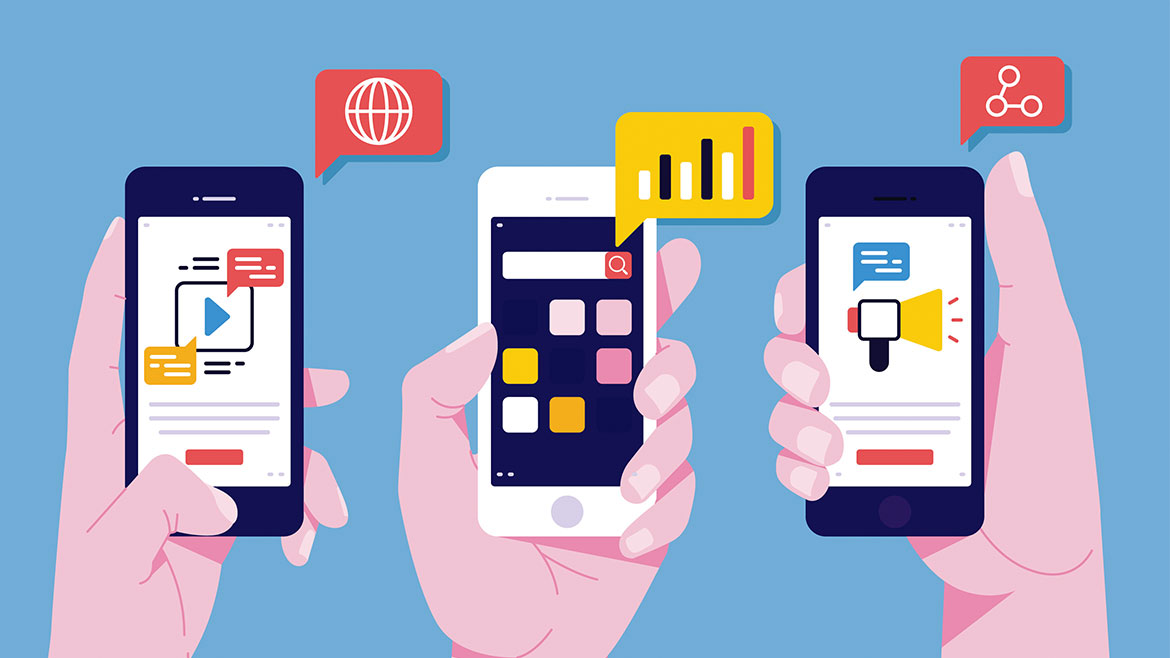
Mobile marketing has emerged as a crucial strategy for businesses looking to connect with consumers who increasingly rely on their smartphones and tablets for information, shopping, and communication. As mobile device usage continues to rise, understanding the dynamics of mobile marketing is essential for brands aiming to engage their audiences effectively.
1. What Is Mobile Marketing?
Mobile marketing refers to the practice of promoting products and services through mobile devices. This strategy encompasses various tactics, including SMS (short message service) marketing, mobile apps, mobile-friendly websites, and advertisements that are optimized for mobile viewing. The goal is to reach consumers in a more personal and immediate manner, enhancing their overall experience.
2. Benefits of Mobile Marketing
There are numerous advantages to implementing a mobile marketing strategy:
Widespread Reach: With billions of smartphone users worldwide, mobile marketing allows businesses to reach a vast audience anytime and anywhere.
Targeted Marketing: Mobile marketing enables precise targeting based on location, demographics, and user behavior. This targeted approach ensures that marketing messages are relevant to the intended audience.
Higher Engagement Rates: Mobile devices facilitate quick access to content, leading to higher engagement rates. Consumers are more likely to interact with mobile ads and messages, resulting in increased brand awareness.
Real-Time Interaction: Mobile marketing allows for real-time communication with consumers. Brands can send timely offers, updates, and promotions, encouraging immediate action.
3. Types of Mobile Marketing
Various strategies can be employed in mobile marketing, including:
SMS Marketing: Sending promotional messages directly to consumers' mobile phones via text messages. This method is effective for time-sensitive offers and can drive immediate responses.
Mobile Apps: Creating dedicated mobile applications allows businesses to engage customers through features such as loyalty programs, push notifications, and personalized content.
Mobile-Optimized Websites: Ensuring that websites are mobile-friendly is crucial for providing a seamless user experience. A responsive design adapts to different screen sizes, enhancing navigation and accessibility.
Location-Based Marketing: Utilizing GPS technology, businesses can send targeted promotions and advertisements to consumers based on their geographic location. This approach is particularly effective for driving foot traffic to physical stores.
Social Media Marketing: Social media platforms are heavily accessed via mobile devices. Brands can leverage mobile-friendly ads and promotions to engage users on platforms like Facebook, Instagram, and Twitter.
4. Creating an Effective Mobile Marketing Strategy
To successfully implement mobile marketing, businesses should consider the following steps:
Define Goals: Establish clear objectives for your mobile marketing efforts. This could include increasing app downloads, boosting sales, or enhancing customer engagement.
Understand Your Audience: Research your target audience’s preferences and behaviors when using mobile devices. Understanding their needs will help tailor your marketing efforts effectively.
Optimize for Mobile: Ensure that all content, including websites and ads, is optimized for mobile viewing. Fast loading times and easy navigation are crucial for keeping users engaged.
Leverage Data Analytics: Use data analytics to track user behavior and preferences. Analyzing this data can inform marketing decisions and help refine strategies for better results.
Test and Iterate: Continuously test different mobile marketing tactics and analyze their performance. Use A/B testing to compare various approaches and refine your strategy based on results.
5. Measuring Success
Measuring the effectiveness of mobile marketing campaigns is essential for ongoing improvement. Key performance indicators (KPIs) to monitor include:
Click-Through Rate (CTR): The percentage of users who click on your mobile ads compared to the total number of impressions. A high CTR indicates effective messaging.
Conversion Rate: The percentage of users who complete a desired action, such as making a purchase or signing up for a newsletter. This metric reflects the effectiveness of your mobile marketing strategy.
Engagement Metrics: Monitor likes, shares, and comments on mobile ads and social media posts. High engagement rates suggest that your content is resonating with the audience.
Return on Investment (ROI): Calculate the ROI of your mobile marketing efforts by comparing revenue generated to the costs incurred. This analysis helps determine the overall effectiveness of your strategy.
6. Future Trends in Mobile Marketing
As technology continues to evolve, mobile marketing is expected to adapt to new trends, including:
Augmented Reality (AR): Incorporating AR into mobile marketing can provide immersive experiences, allowing consumers to visualize products in their own environments.
Voice Search Optimization: As voice-activated devices become more prevalent, optimizing content for voice search will be essential for reaching consumers effectively.
Personalization: Tailoring mobile marketing messages to individual preferences and behaviors can significantly enhance engagement and conversion rates.
Mobile Wallets: With the rise of mobile payment systems, businesses can integrate mobile wallet marketing strategies to facilitate seamless transactions and loyalty programs.
Conclusion
Mobile marketing is a vital component of modern marketing strategies, enabling businesses to connect with consumers in real-time and in their preferred environment. By leveraging various mobile tactics and continuously measuring performance, brands can effectively engage their audiences and drive results. As technology evolves, staying informed about emerging trends will ensure that mobile marketing efforts remain effective and impactful.
This article is for informational purposes only and does not constitute professional advice.
Hiç yorum yok: