
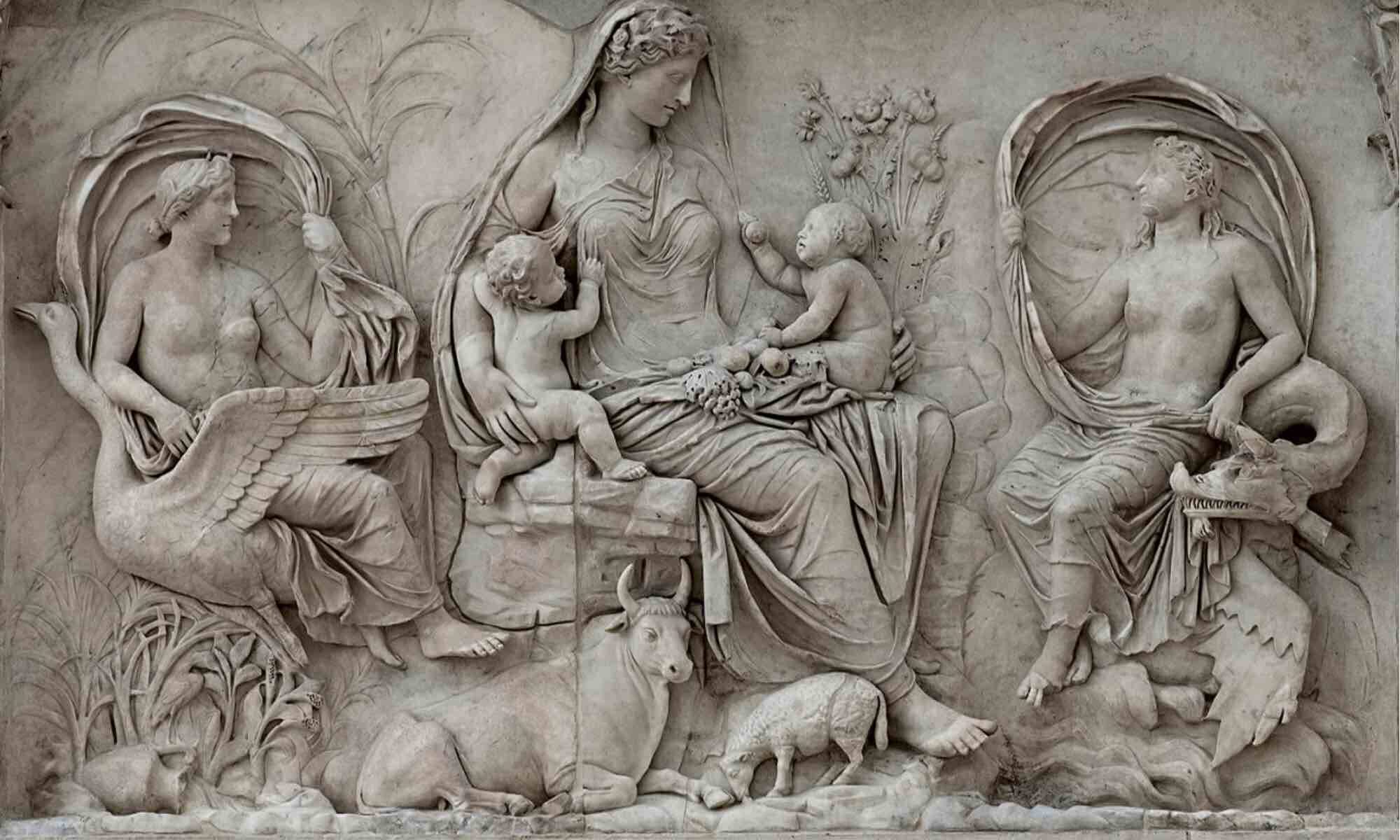
Roman mythology is a rich tapestry of stories and beliefs that reflect the culture, values, and history of ancient Rome. Influenced by earlier Greek mythology, Roman myths were integral to the lives of Romans, shaping their understanding of the world and their place within it. This article explores the key deities, creation myths, and notable legends in Roman mythology, providing insight into how these narratives shaped Roman society.
The Pantheon of Roman Deities
The Roman pantheon consists of numerous gods and goddesses, each with specific domains and attributes. Some of the most prominent deities include:
Jupiter: The king of the gods and god of the sky and thunder, Jupiter was akin to the Greek god Zeus. He was often depicted wielding a lightning bolt and was a symbol of authority and power.
Juno: The wife of Jupiter and goddess of marriage and childbirth, Juno was a protector of the Roman state and women. She was known for her jealous and vengeful nature, especially towards those who crossed her.
Neptune: The god of the sea and earthquakes, Neptune was analogous to the Greek god Poseidon. He was often represented holding a trident and was revered by sailors and those who depended on the sea for their livelihoods.
Mars: The god of war, Mars was one of the most important deities in Roman culture. He represented military power and was also associated with agriculture, reflecting the dual nature of his influence over both war and peace.
Venus: The goddess of love, beauty, and fertility, Venus played a vital role in Roman mythology. She was believed to have emerged from the sea and was often depicted in art and literature as the embodiment of desire and passion.
Minerva: The goddess of wisdom, warfare, and crafts, Minerva was often equated with the Greek goddess Athena. She was revered for her intelligence and strategic skills and was a protector of various aspects of Roman society.
Creation Myths
Roman mythology features several creation stories that explain the origins of the world and the gods. One of the most famous myths is the tale of Romulus and Remus, the legendary twin brothers who founded Rome. According to the myth, the twins were abandoned as infants and raised by a she-wolf. As adults, they decided to establish a city, but a dispute led Romulus to kill Remus. Romulus then founded the city of Rome, naming it after himself.
Another creation myth involves Chaos, the primordial void from which everything emerged. From Chaos came Gaia (the Earth), who gave birth to the Titans, gods, and other creatures. This narrative, while influenced by Greek mythology, highlights the Romans' belief in a cosmic order established by their deities.
Notable Legends
Numerous legends within Roman mythology illustrate the values and morals of Roman society. Some significant stories include:
The Aeneid: Written by the poet Virgil, this epic tells the tale of Aeneas, a Trojan hero who journeys to Italy after the fall of Troy. His adventures and struggles ultimately lead to the founding of Rome, establishing a link between the Romans and the heroic past of the Greeks.
The Twelve Labors of Hercules: Although originally Greek, the tales of Hercules became integral to Roman mythology. These stories depict the hero's incredible feats and trials, emphasizing themes of strength, bravery, and perseverance.
The Myth of Persephone: The story of Persephone's abduction by Hades and her subsequent return to the surface symbolizes the changing seasons. This myth reflects Roman agricultural practices and the importance of fertility and rebirth in their culture.
Conclusion
Roman mythology offers a fascinating glimpse into the beliefs, values, and traditions of ancient Rome. Through its pantheon of gods and goddesses, creation myths, and legendary tales, it provided a framework for understanding the world and the forces that shaped human existence. The influence of Roman mythology continues to resonate today, impacting literature, art, and popular culture, as we explore the timeless stories that have shaped our understanding of human nature and the divine.
(This article is for informational purposes only and does not constitute professional advice.)
Hiç yorum yok: