
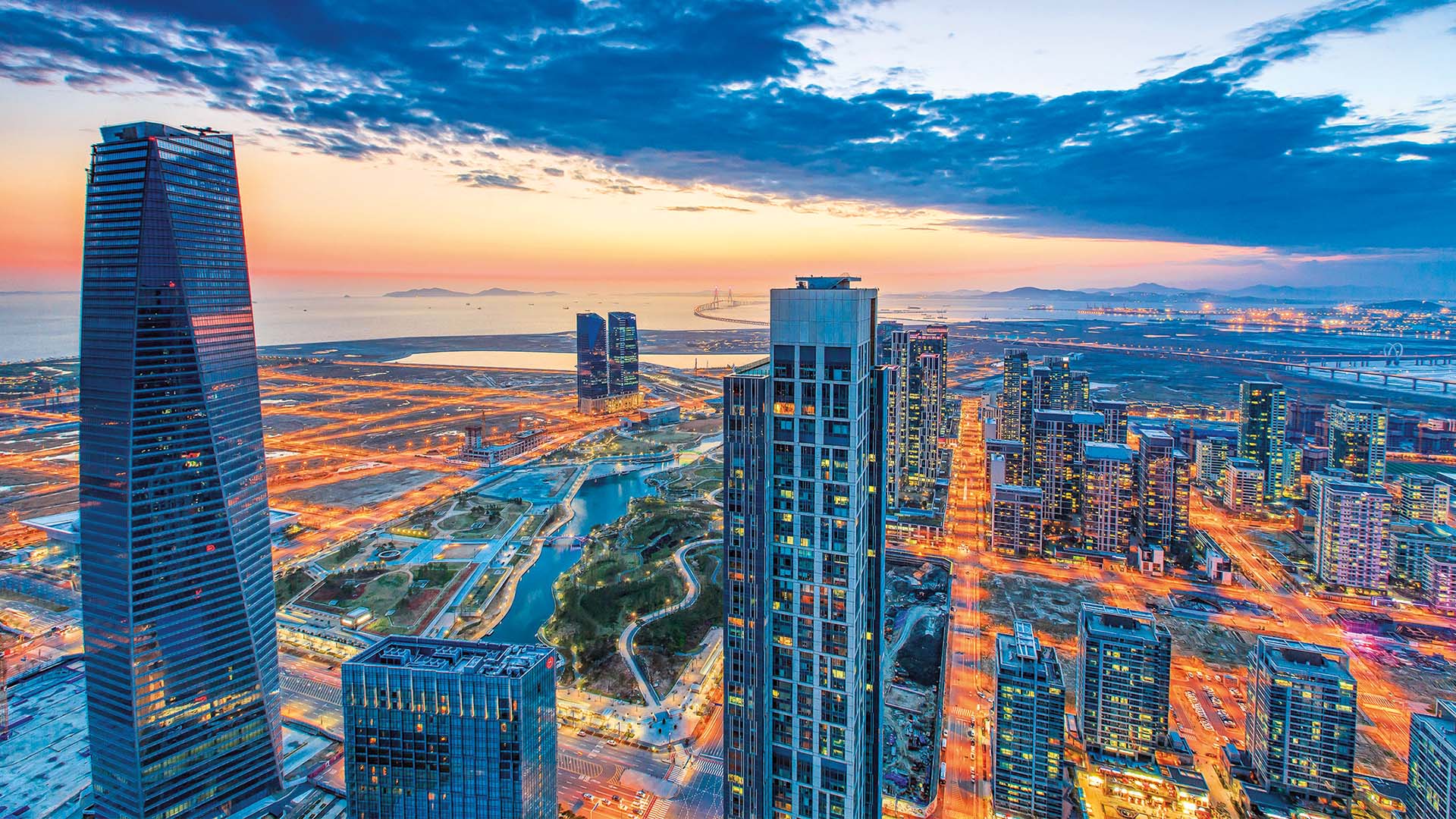
What is Smart City Design?
At its core, smart city design involves the use of Internet of Things (IoT) devices, data analytics, and automated systems to optimize urban services such as transportation, energy management, waste disposal, and public safety. By connecting these services to a network, cities can make more informed decisions, respond quickly to challenges, and provide better services to residents.
Key Elements of Smart City Design
Connectivity and IoT Integration
A smart city relies heavily on interconnected devices that communicate with each other. Sensors placed on roads, bridges, and buildings collect real-time data, which is analyzed to improve traffic flow, monitor air quality, and even predict maintenance needs.Sustainability and Energy Efficiency
Smart cities are designed to be environmentally friendly. Through energy-efficient buildings, renewable energy sources, and intelligent water management systems, these cities aim to reduce carbon footprints and conserve natural resources.Intelligent Transportation Systems
One of the primary goals of smart city design is to alleviate traffic congestion and reduce commuting time. This is achieved through smart traffic lights, real-time traffic monitoring, and shared mobility options like electric scooters and autonomous vehicles.Citizen Engagement and Participation
Smart city platforms allow citizens to engage more directly with their environment. Mobile applications provide access to real-time updates on public services, while open data platforms enable residents to participate in decision-making processes.
Challenges and Future Prospects
Despite the promising benefits, the implementation of smart city designs faces several challenges, including data privacy concerns, high initial costs, and the need for collaboration between various stakeholders. However, as technology advances and more cities embrace digital transformation, smart city design is expected to become a standard in urban planning.
By harnessing the power of technology, smart cities are poised to create more livable, efficient, and sustainable urban environments, making them the cities of the future.
(This article is for informational purposes only and does not constitute professional advice.)
Hiç yorum yok: