
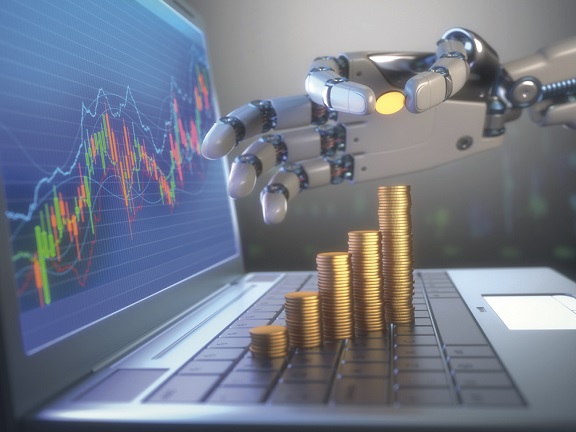
The fast-paced evolution of technology has transformed economies across the globe, driving unprecedented changes in industries, job markets, and consumer behavior. This dynamic shift, often referred to as the Fourth Industrial Revolution, is characterized by the integration of advanced technologies such as artificial intelligence (AI), robotics, the Internet of Things (IoT), and blockchain. As these innovations continue to redefine traditional business models, it is essential to understand their broader economic implications.
Boosting Productivity and Efficiency
One of the most significant impacts of rapidly changing technologies is the increase in productivity and efficiency. Automation and AI-powered solutions enable businesses to optimize processes, reduce human errors, and lower operational costs. For instance, in manufacturing, robotics has streamlined production lines, while machine learning algorithms are used in finance to analyze large datasets in seconds, making investment strategies more precise. These advancements lead to higher output with fewer resources, contributing to overall economic growth.
Job Market Transformation
While technological progress enhances productivity, it also disrupts labor markets. Many routine and manual jobs are being replaced by automation, resulting in a shift toward high-skilled positions that require expertise in tech-driven fields. This phenomenon, known as "job polarization," widens the gap between high-wage and low-wage occupations, potentially increasing income inequality. Workers need to adapt by acquiring new skills and embracing lifelong learning to remain relevant in the evolving job market.
Innovation and Market Expansion
Rapid technological advancements have fueled innovation and enabled the creation of entirely new markets. The digital economy, e-commerce, and gig economy platforms have emerged as significant contributors to global GDP. Startups and established companies alike can now leverage digital tools to access international markets, reaching customers beyond geographical boundaries. As a result, economies become more interconnected, fostering increased competition and innovation.
Challenges for Policy Makers
The accelerated pace of technological change presents challenges for policy makers who must balance the benefits of innovation with potential societal impacts. Regulations need to keep up with the digital transformation to address issues such as data privacy, cybersecurity, and ethical concerns surrounding AI. Furthermore, there is a pressing need for policies that support workforce retraining and reskilling programs to help displaced workers transition into new roles.
Conclusion
In summary, rapidly changing technologies have a profound economic impact, reshaping industries, job markets, and consumer behavior. While they offer immense opportunities for growth and innovation, they also pose challenges that require proactive measures from businesses and governments alike. Understanding these dynamics is crucial for building a resilient and inclusive economy in the age of technological disruption.
This article is for informational purposes only and does not constitute professional advice.
Hiç yorum yok: