
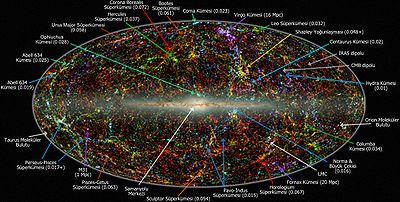
1. What Is Galaxy Evolution?
Galaxy evolution refers to the changes that occur within galaxies over time, from their initial formation to their current state. Galaxies are not static objects; they evolve due to internal processes such as star formation and external influences like interactions with other galaxies. Understanding this evolution helps us comprehend the broader history of the universe.
2. Formation of Galaxies
Galaxies are thought to have formed shortly after the Big Bang, around 13.8 billion years ago. The early universe was a hot, dense mixture of particles that eventually cooled down, allowing matter to come together under the force of gravity. Small clumps of matter formed stars, and these stars grouped together into the first galaxies. These early galaxies were small and irregular, but over time, they merged with one another, growing in size and complexity.
3. Types of Galaxies
Galaxies come in many shapes and sizes, and they can be classified into different types based on their appearance:
Spiral Galaxies: These are perhaps the most recognizable type, with distinct spiral arms winding around a central bulge. Our own Milky Way is a spiral galaxy. Spirals are active, with ongoing star formation in their arms.
Elliptical Galaxies: These galaxies have a smooth, rounded shape and contain older stars with little new star formation. They are often the result of the merger of smaller galaxies.
Irregular Galaxies: As the name suggests, these galaxies do not have a defined shape. They are often smaller and can be the result of gravitational interactions or collisions.
4. Processes Driving Galaxy Evolution
Several key processes drive the evolution of galaxies, affecting their structure, size, and the stars within them.
Star Formation: The formation of new stars from gas clouds is a major process in the evolution of galaxies. In younger galaxies, this process happens rapidly, creating bright, blue stars. As galaxies age, their gas supply depletes, and star formation slows down, leaving behind older, redder stars.
Mergers and Interactions: Galaxies are not isolated; they often come into contact with one another. When galaxies collide or interact, they can merge to form a larger galaxy. These interactions can trigger bursts of star formation or lead to the creation of elliptical galaxies from spiral galaxies.
Supermassive Black Holes: Many galaxies, including the Milky Way, have a supermassive black hole at their center. These black holes can influence the behavior of stars and gas in the galaxy, impacting its overall structure.
5. The Role of Dark Matter
A significant part of galaxy evolution involves dark matter, an invisible substance that makes up most of the mass in galaxies. Though we cannot see dark matter, its gravitational effects are crucial in shaping the formation and growth of galaxies. It helps pull galaxies together, giving them their structure, and plays a major role in how they evolve over time.
6. Galaxies Through Time
The study of distant galaxies allows astronomers to look back in time and observe galaxies in their earlier stages. These observations show that galaxies in the early universe were much smaller and more chaotic than those we see today. Over billions of years, they have grown larger and more organized, often as a result of mergers and other interactions.
7. The Future of Galaxies
Galaxies will continue to evolve in the future. For example, the Milky Way is on a collision course with the nearby Andromeda Galaxy, and in about 4.5 billion years, the two will merge to form a larger elliptical galaxy. Even though this event is far off, it is part of the ongoing cycle of galaxy evolution.
Conclusion
Galaxy evolution is a complex and fascinating process that involves the formation, growth, and transformation of galaxies over billions of years. From the birth of the first stars to the mergers of entire galaxies, this evolution shapes the structure of the universe and provides valuable insights into the forces that govern cosmic development. As we continue to study galaxies both near and far, our understanding of their life cycle continues to grow, offering a clearer picture of the universe's history.
This article is for informational purposes only and does not constitute professional advice.
Hiç yorum yok: